
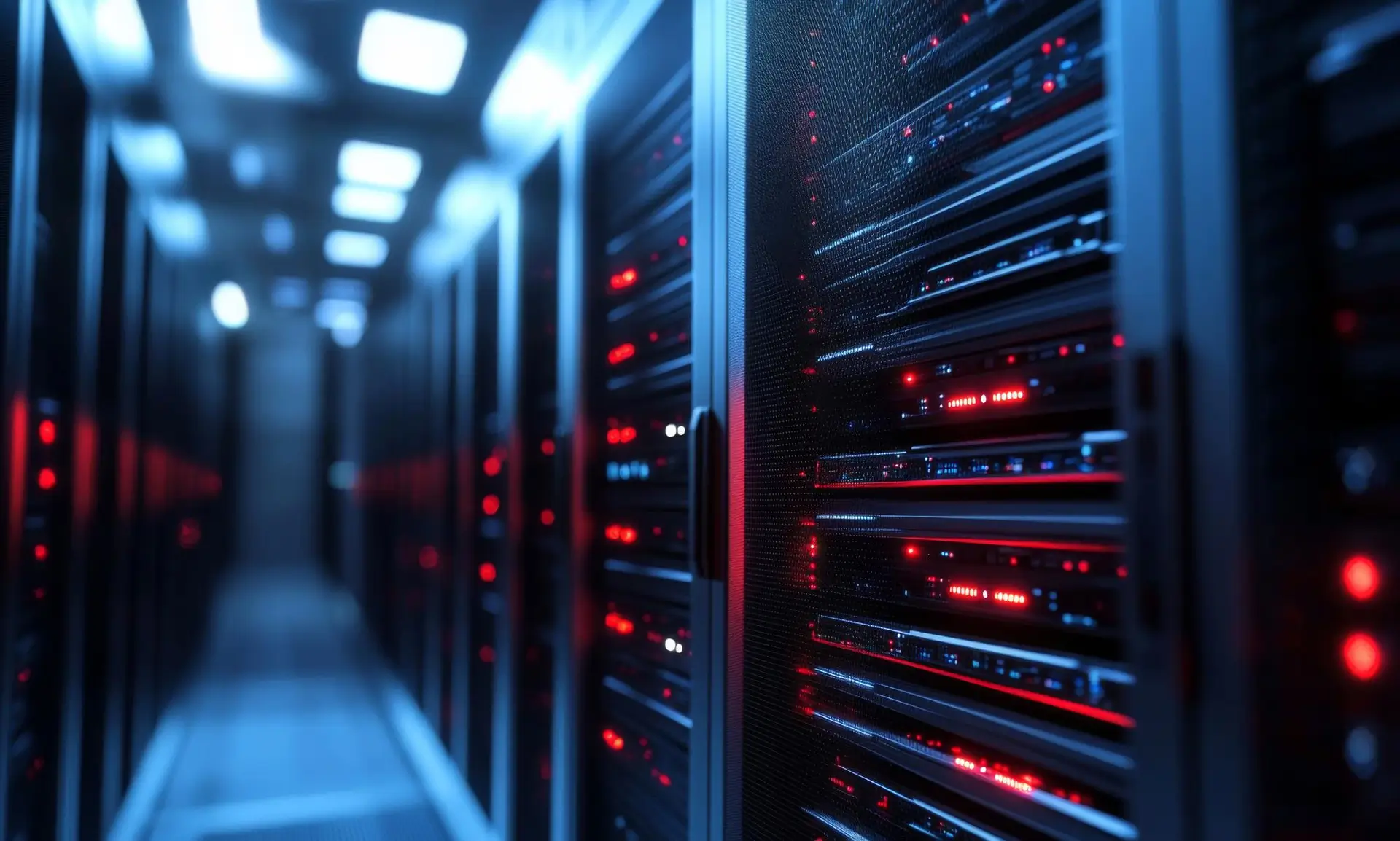
India is building for an AI-powered future. Data centres are expanding, companies are investing heavily in computing infrastructure, and demand for AI is growing rapidly. But behind this rapid digital expansion is a growing demand for reliable electricity.
The scale of that requirement is changing quickly. The government expects AI data centres to add 26.3 GW to India’s electricity demand by 2031-32, almost twice its earlier estimate of 13.56 GW.[1] Overall, peak power demand is also expected to rise from 289 GW in FY27 to 388 GW by FY32.[2]
This means the country will need more than additional power. It will need dependable and scalable infrastructure built for the demands of AI.
AI is modifying the nature of power demand
Traditional data centres already depend on dependable electricity. AI infrastructure raises the bar further. High-performance computing workloads can create sharp fluctuations in power consumption, making the nature of demand itself an important consideration.
This makes grid stability increasingly important alongside generation capacity. Government consultations have already identified the need to address transmission requirements, grid balancing and the sharp ramps associated with data-centre loads.
The scale of the infrastructure build-out makes this even more pressing. Wood Mackenzie projects India’s operational data-centre capacity to increase from 2.2 GW in 2025 to 12 GW by 2030, while AI-dedicated capacity could rise nearly 24-fold, from 275 MW to 6,546 MW.[3]
Generation alone will not solve the challenge
The nation is already expanding its transmission network and adding generation capacity. The national transmission plan aims to increase the transmission network from 5.09 lakh circuit kilometres in June 2026 to 6.48 lakh circuit kilometres by 2032,[4] along with higher transformation and inter-regional transmission capacity.
But meeting the needs of AI will require a broader approach. Data-centre developers are increasingly exploring captive and group-captive generation, renewable PPAs and open-access arrangements. The right approach will depend on factors such as location, renewable energy availability, grid infrastructure and state regulations.
This makes power availability an important part of data-centre planning from the outset. Water will also matter. As AI workloads increase cooling requirements, access to water is becoming an increasingly important consideration for site selection and the long-term sustainability of data centres.
Flexibility will become as important as capacity
The future grid will need to accommodate not only rising electricity demand, but also more variable renewable generation and large inverter-based loads.
Energy storage can play an important role here. As of June 2026, India had 2,927.85 MW / 8,660.20 MWh of installed battery energy storage systems above 1 MWh.[5]
In AI data centers, battery UPS can do more than serve as backup systems. It can also assist in the management of fast changing load conditions, fault ride-through, and the effects of fast loading fluctuations on the grid.
Thus, flexibility is becoming more even more crucial in addition to capacity. The future power infrastructure supporting AI will need to respond dynamically, rather than simply supply more electricity.
Building the AI economy means building the power ecosystem
India has an opportunity to emerge as a major AI and digital infrastructure hub, but this will depend on more than computing capacity and investment. It will require coordinated planning across generation, transmission, storage, power quality, renewable procurement and digital grid management.
The question is not simply whether we have enough power to support the AI boom, but whether it can build a reliable, flexible and sustainable power ecosystem capable of supporting the country’s next phase of digital growth.
At CosPower Engineering, we view this as a significant chance to support India’s developing power infrastructure. Through our focus on providing dependable power solutions for mission-critical applications, we hope to contribute to the robust energy framework that our AI revolution will demand.
[1] https://community.nasscom.in/communities/public-policy/why-ai-changing-indias-power-planning
[2] https://datacenters.economictimes.indiatimes.com/news/investments-deals/indias-ai-boom-fuels-data-center-infrastructure-race/132754929
[3] https://economictimes.indiatimes.com/tech/technology/india-data-centre-capacity-to-jump-to-12-gw-by-2030-as-ai-fuels-demand-wood-mackenzie/articleshow/132662254.cms?from=mdr
[4] https://www.pib.gov.in/PressReleasePage.aspx?PRID=2291649®=48&lang=2
[5] https://solarquarter.com/2026/07/30/india-targets-6-48-lakh-ckm-transmission-network-by-2032-under-national-grid-expansion-plan/
The future grid will need to accommodate not only rising electricity demand, but also more variable renewable generation and large inverter-based loads.
Energy storage can play an important role here. As of June 2026, India had 2,927.85 MW / 8,660.20 MWh of installed battery energy storage systems above 1 MWh.[1]
In AI data centers, battery UPS can do more than serve as backup systems. It can also assist in the management of fast changing load conditions, fault ride-through, and the effects of fast loading fluctuations on the grid.
Thus, flexibility is becoming more even more crucial in addition to capacity. The future power infrastructure supporting AI will need to respond dynamically, rather than simply supply more electricity.
Building the AI economy means building the power ecosystem
India has an opportunity to emerge as a major AI and digital infrastructure hub, but this will depend on more than computing capacity and investment. It will require coordinated planning across generation, transmission, storage, power quality, renewable procurement and digital grid management.
The question is not simply whether we have enough power to support the AI boom, but whether it can build a reliable, flexible and sustainable power ecosystem capable of supporting the country’s next phase of digital growth. At CosPower Engineering, we view this as a significant chance to support India’s developing power infrastructure. Through our focus on providing dependable power solutions for mission-critical applications, we hope to contribute to the robust energy framework that our AI revolution will demand.